Community-Based TB Prevention Strategies Show Promising Results
Posted by Dr. Lillian Mtei | February 15, 2025
In the ongoing battle against tuberculosis (TB) in Tanzania, community-based prevention strategies are emerging as a powerful approach to reducing TB incidence and improving treatment outcomes. At KNCV - Tanzania, our recent initiatives focusing on community engagement and empowerment are showing encouraging results, particularly in underserved areas where TB continues to pose significant health challenges.
Building on IMPAACT4TB Success
Our current community-based TB prevention work builds upon the foundation established through the IMPAACT4TB project, which introduced new ways to tackle TB infection—the seedbed of TB disease. This initiative prioritized short-course TB preventive treatment for people living with HIV, children under five, and all those in close contact with TB patients in high-burden countries, including Tanzania.
The lessons learned from IMPAACT4TB have been instrumental in shaping our current community-focused strategies. By engaging directly with communities and empowering local health workers, we're addressing TB prevention at the grassroots level.
Community Health Workers: The Frontline Force
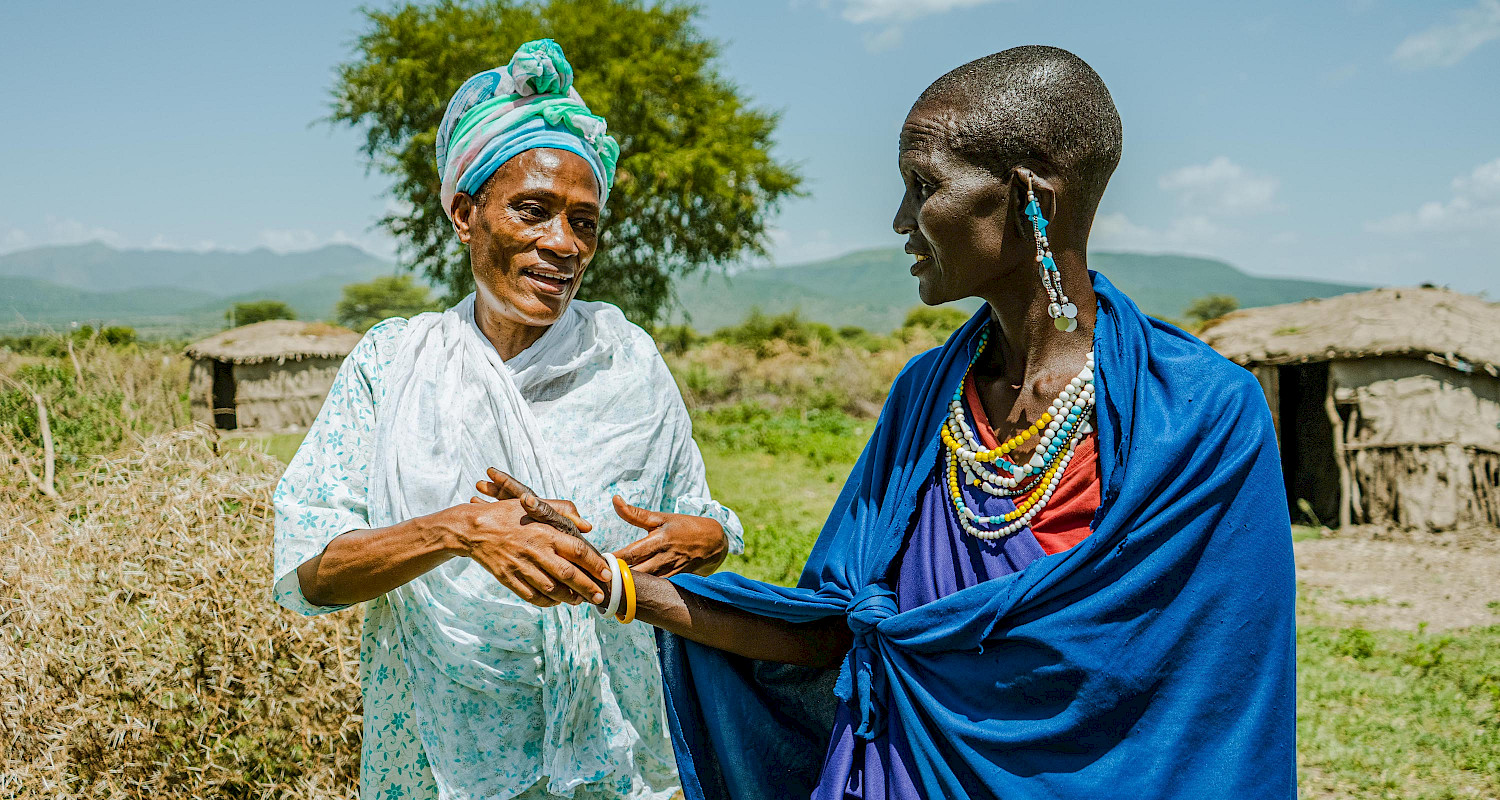
At the heart of our approach is a network of trained community health workers and volunteers who serve as the crucial link between healthcare facilities and communities. These dedicated individuals:
- Conduct door-to-door TB screening and education
- Identify presumptive TB cases and facilitate referrals to health facilities
- Support treatment adherence for TB patients
- Provide TB preventive therapy (TPT) to eligible contacts
- Address stigma and misconceptions about TB
Through comprehensive training programs, we've equipped these community health workers with the knowledge and tools needed to effectively serve their communities. The results have been remarkable, with significant increases in TB case detection rates and improved treatment adherence.
Targeted Interventions for Vulnerable Populations
Our community-based strategies place special emphasis on reaching populations most vulnerable to TB:
Children Under Five
Children living in households with TB patients face high risk of infection. Our program ensures these children receive appropriate screening and preventive therapy. Community health workers assist families in understanding the importance of preventive treatment and support them throughout the process.
People Living with HIV
TB remains the leading cause of death among people living with HIV. Our integrated approach ensures that HIV services include comprehensive TB screening and prevention. Community-based support groups provide a platform for education and peer support.
Urban Slum Communities
Densely populated urban areas with limited healthcare access present unique challenges for TB control. Our targeted outreach in these communities includes mobile screening camps, community education sessions, and linkage to treatment services.
Measurable Impact
The initial results from our community-based TB prevention strategies are promising:
- 45% increase in TB case notification in participating districts
- 62% improvement in treatment adherence among patients with community support
- 78% of eligible household contacts now receiving TB preventive therapy
- Significant reduction in treatment default rates across all age groups
- Increased community knowledge and reduced stigma surrounding TB
A young mother from Kinondoni district shared her experience: "The community health worker visited our home after my husband was diagnosed with TB. She explained that our children needed medicine to prevent them from getting sick too. She checked on us regularly and helped us understand TB better. Now my husband has completed his treatment, and our children remained healthy."
Partnerships for Success
These achievements would not be possible without strong partnerships with the Ministry of Health, the National Tuberculosis and Leprosy Program (NTLP), local government authorities, and community leaders. Their collaboration and support have been essential in implementing and scaling up our community-based initiatives.
Looking Ahead
While the results are encouraging, challenges remain. We continue to work on:
- Ensuring sustainable funding for community-based TB prevention
- Further integrating TB services with other health programs
- Expanding our reach to more remote communities
- Building capacity for more community health workers
- Strengthening the health information system to better track and monitor community interventions
At KNCV - Tanzania, we believe that ending TB requires bringing prevention and care directly to the communities most affected. By empowering communities with knowledge, skills, and resources, we are creating sustainable solutions that will continue to reduce the burden of TB in Tanzania.
As we move forward, we remain committed to our vision of healthy lives and well-being for all people through ending TB and other emerging public health threats. Community-based strategies will continue to be a cornerstone of our approach, bringing us closer to a TB-free Tanzania.
For more information about our community-based TB prevention programs or to explore partnership opportunities, please contact us at info@kncv.co.tz.